
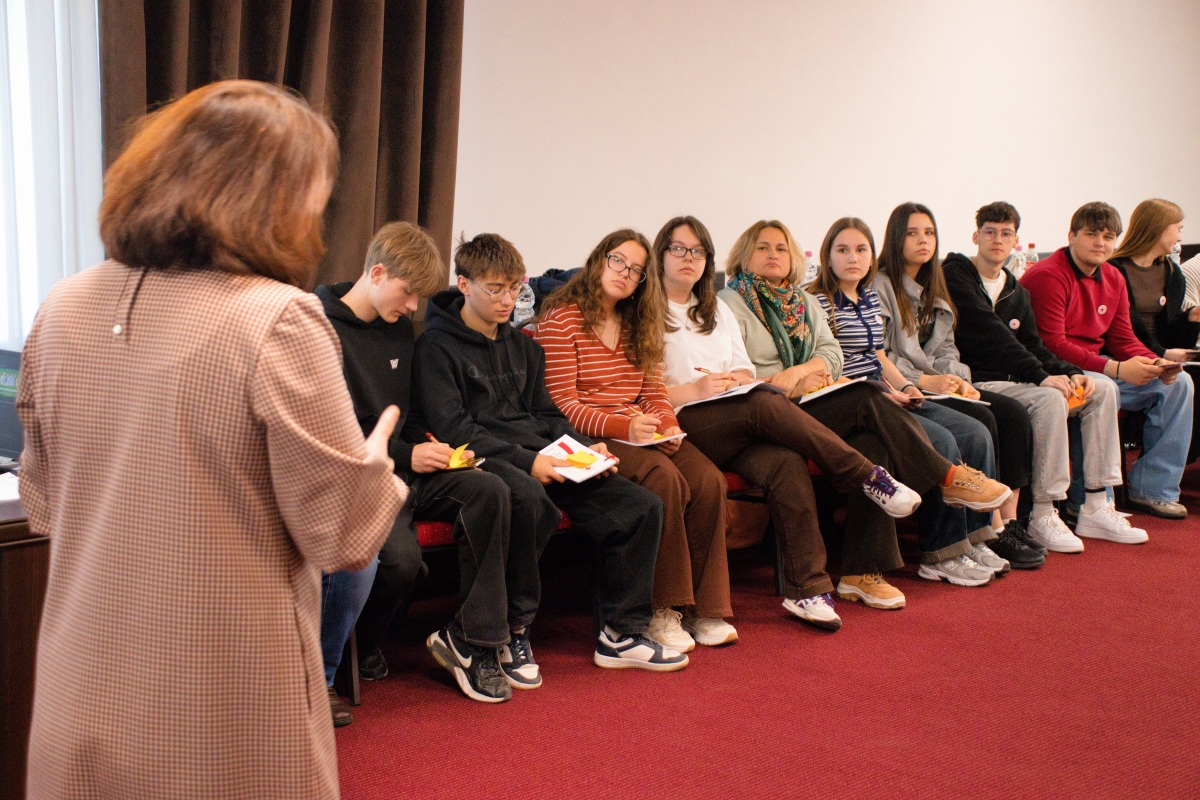
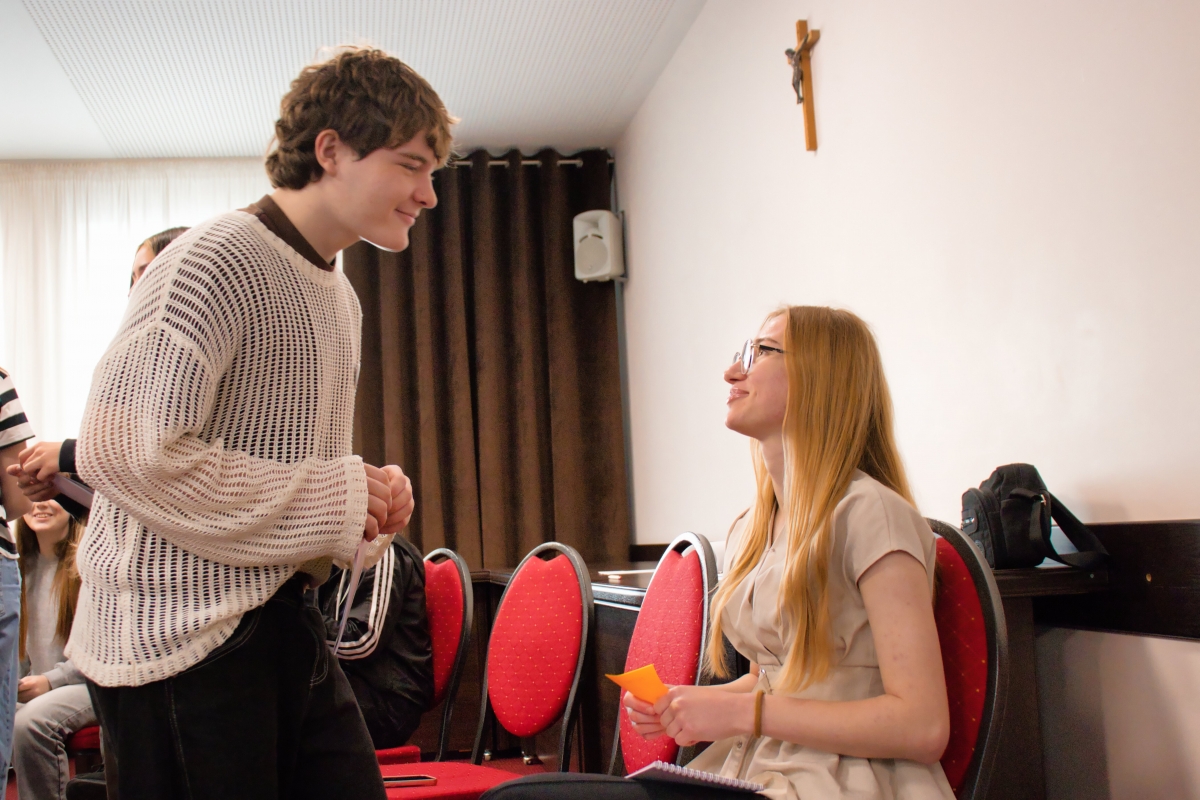
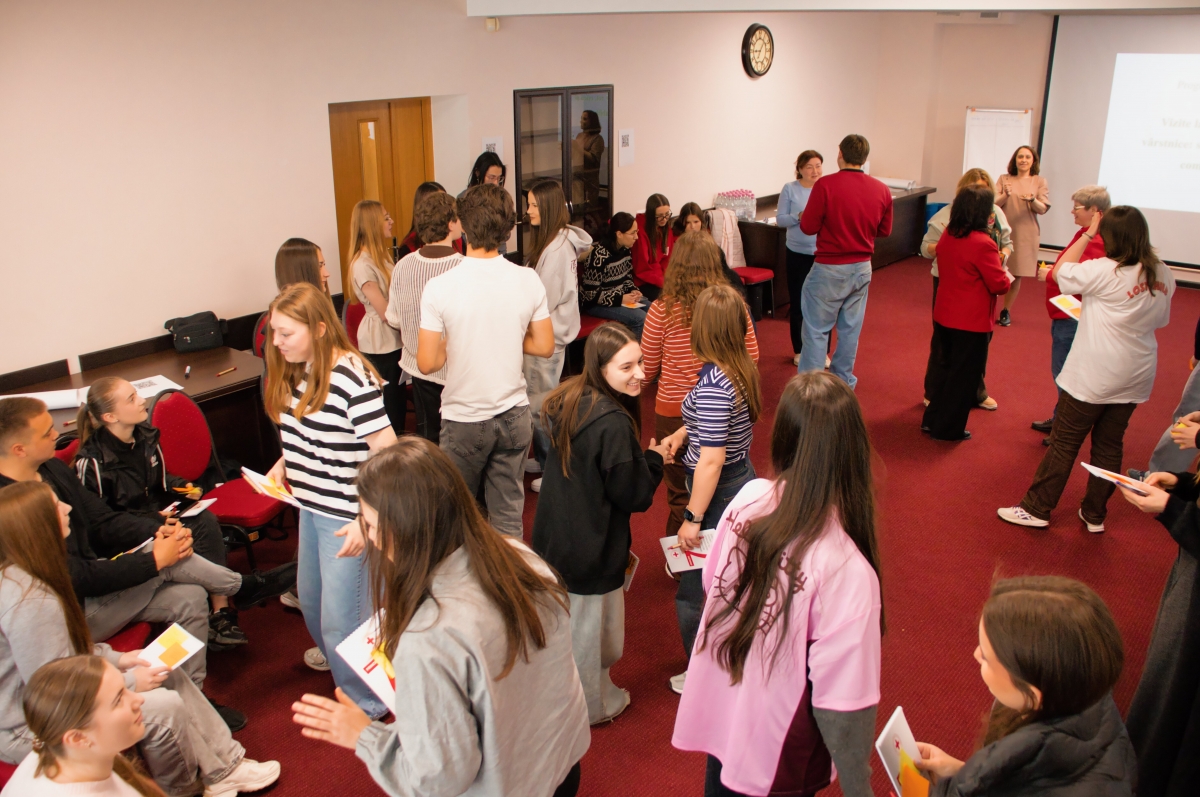
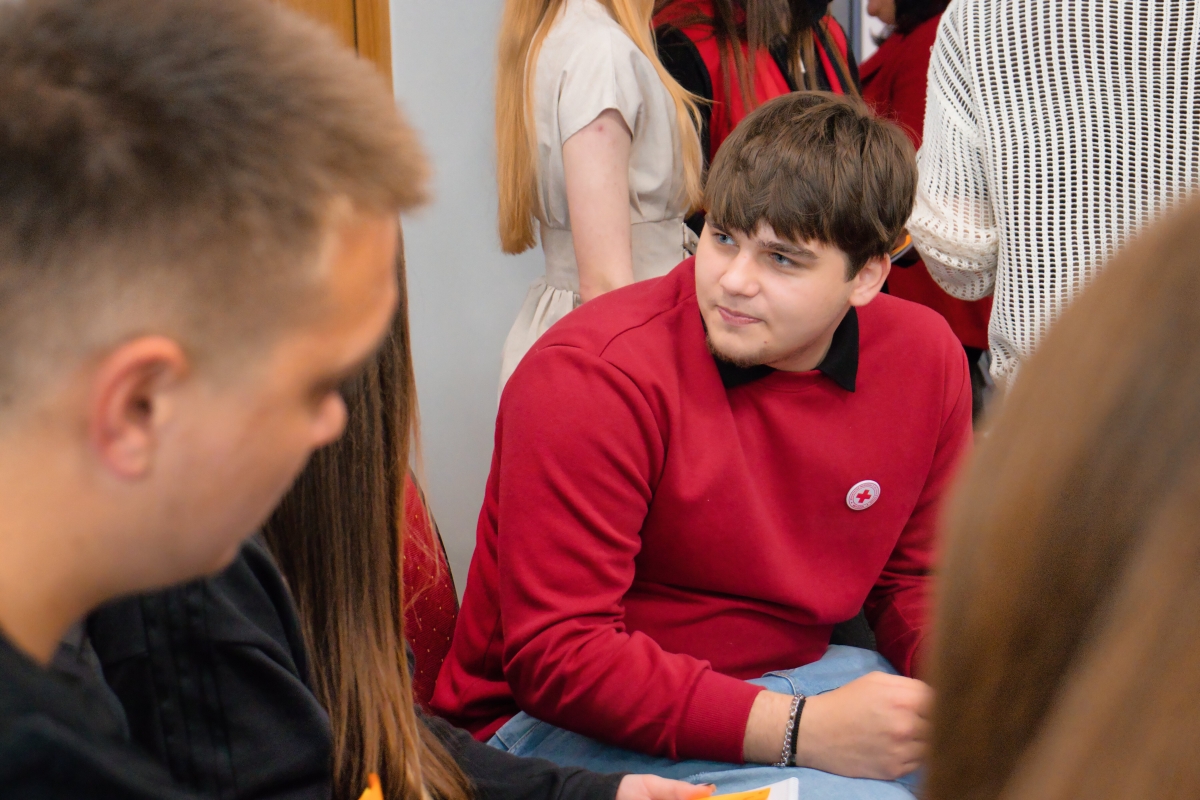
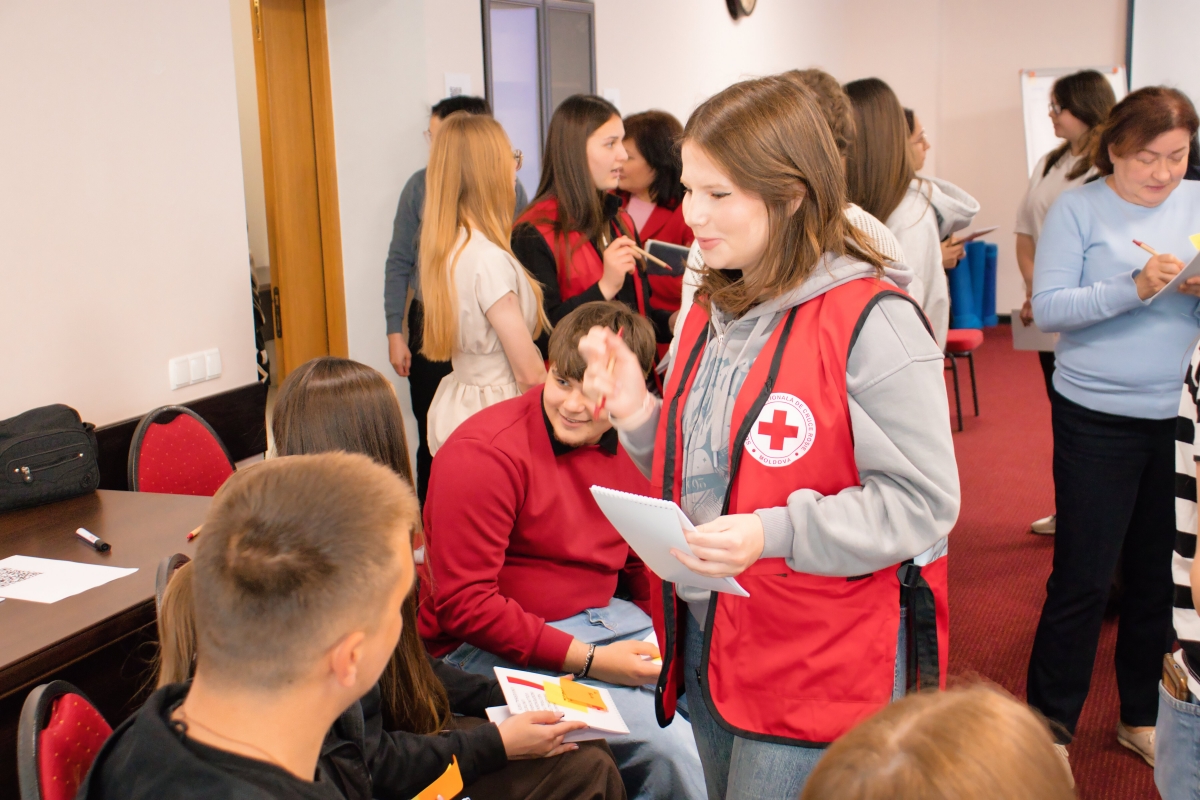
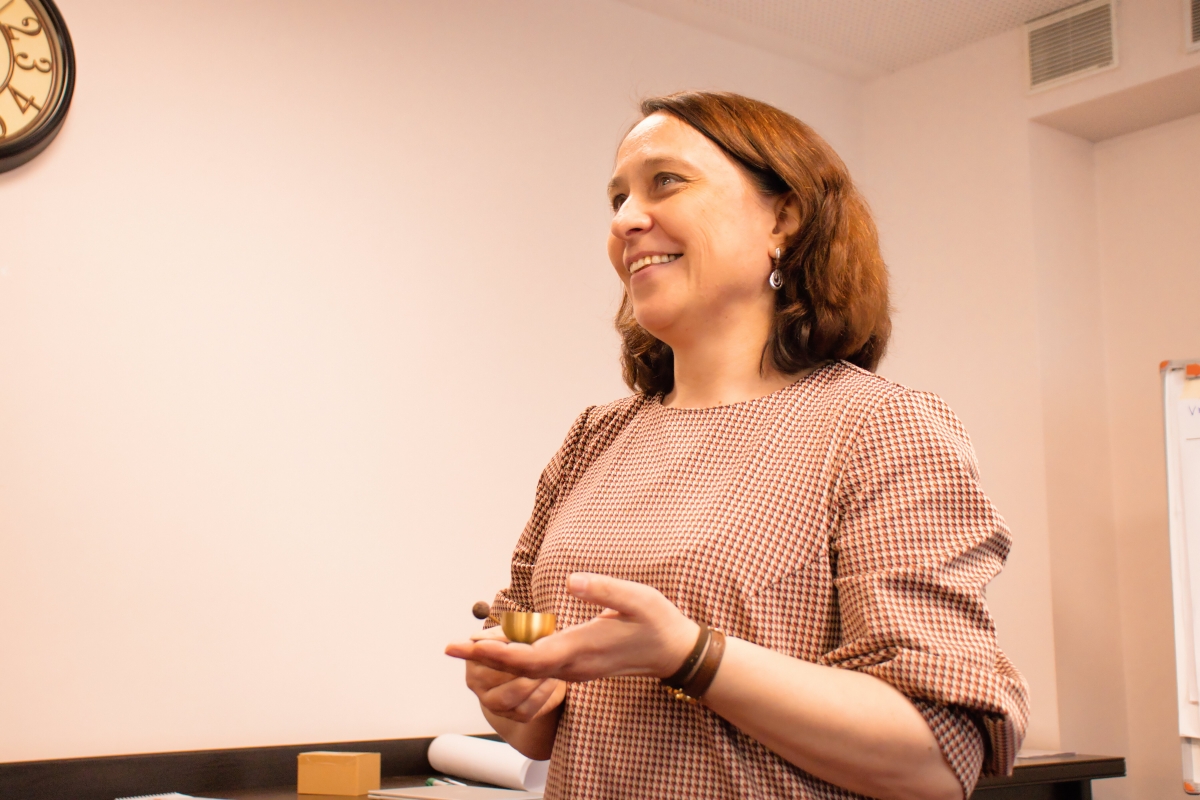
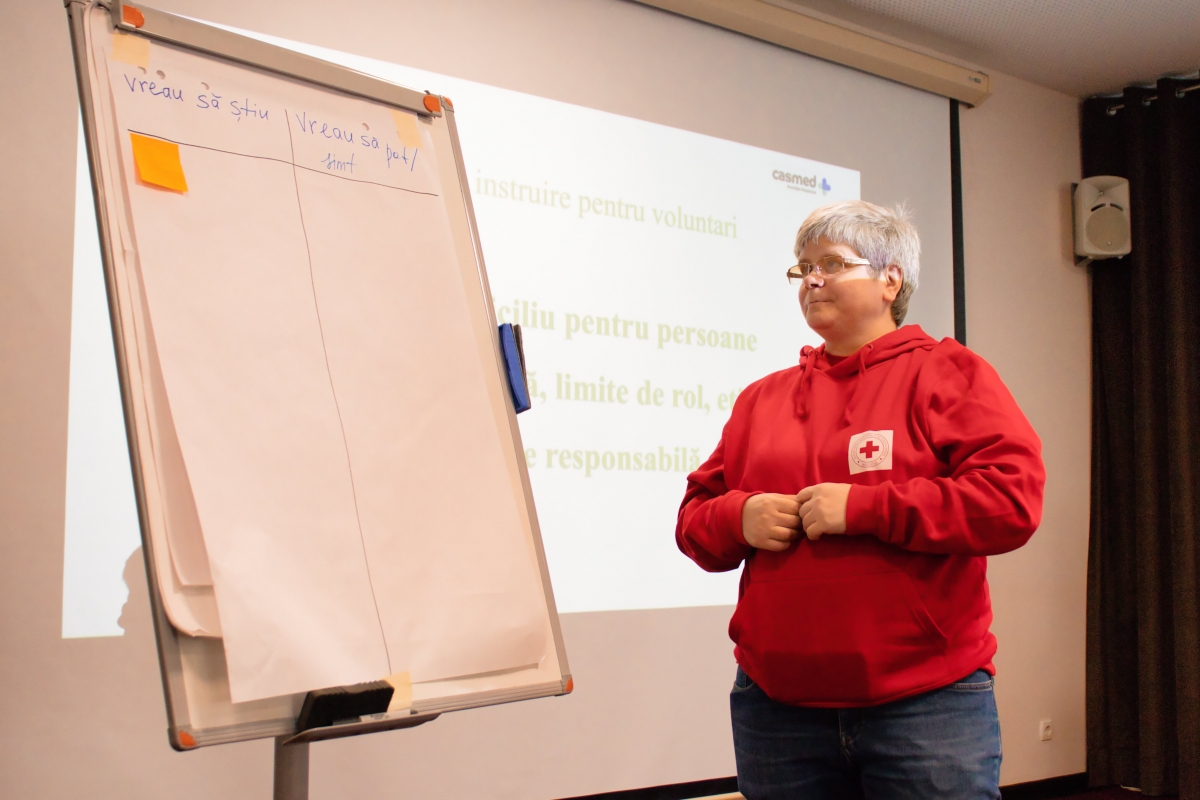
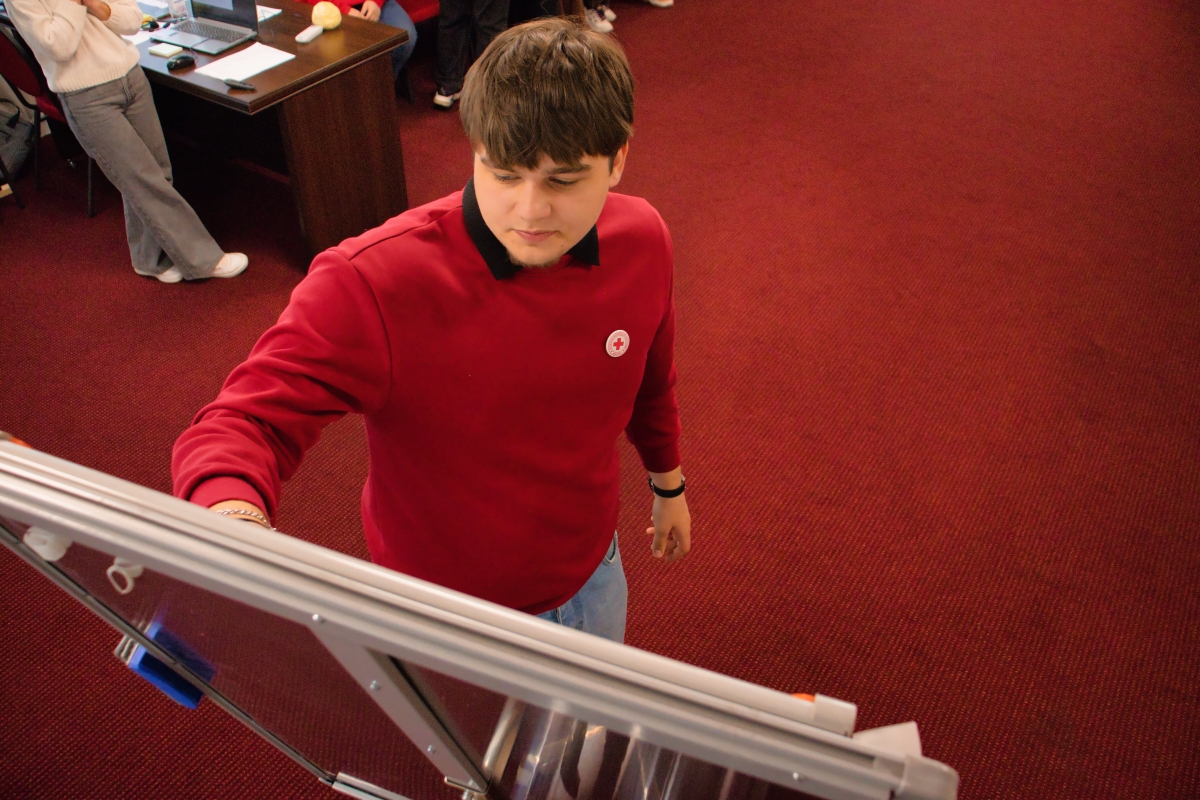
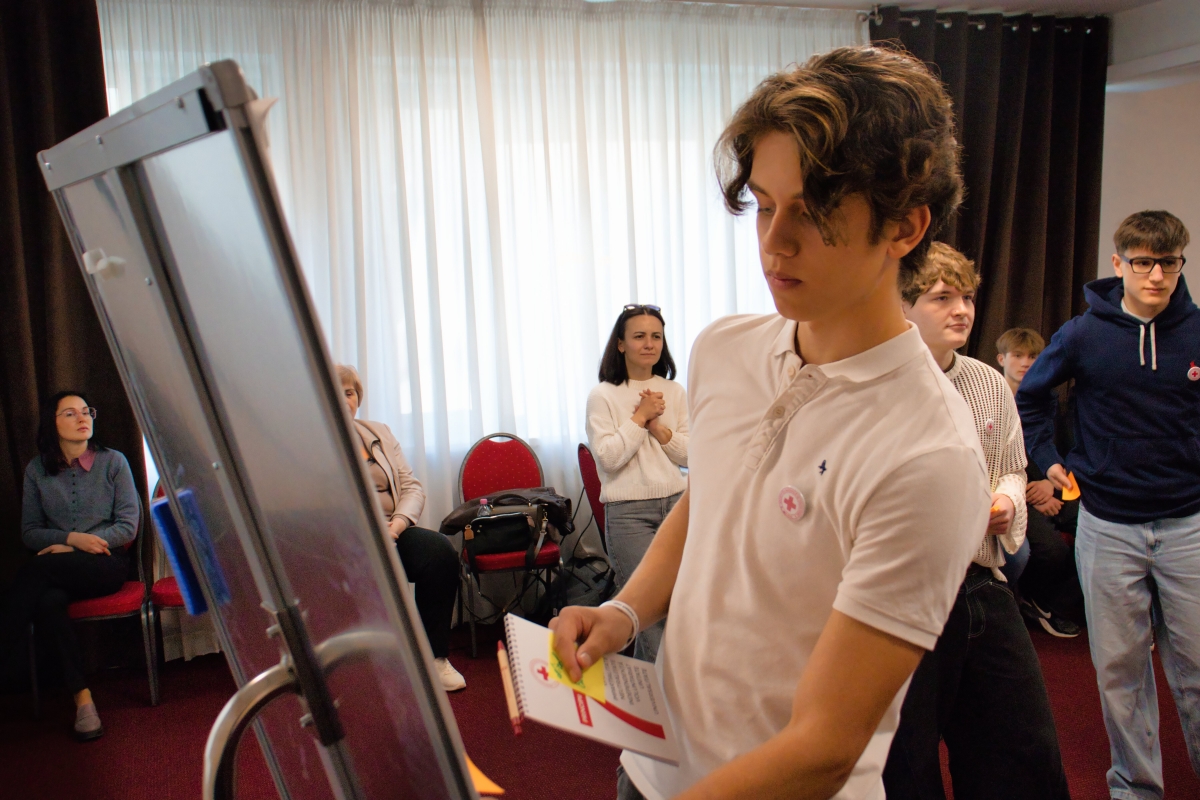
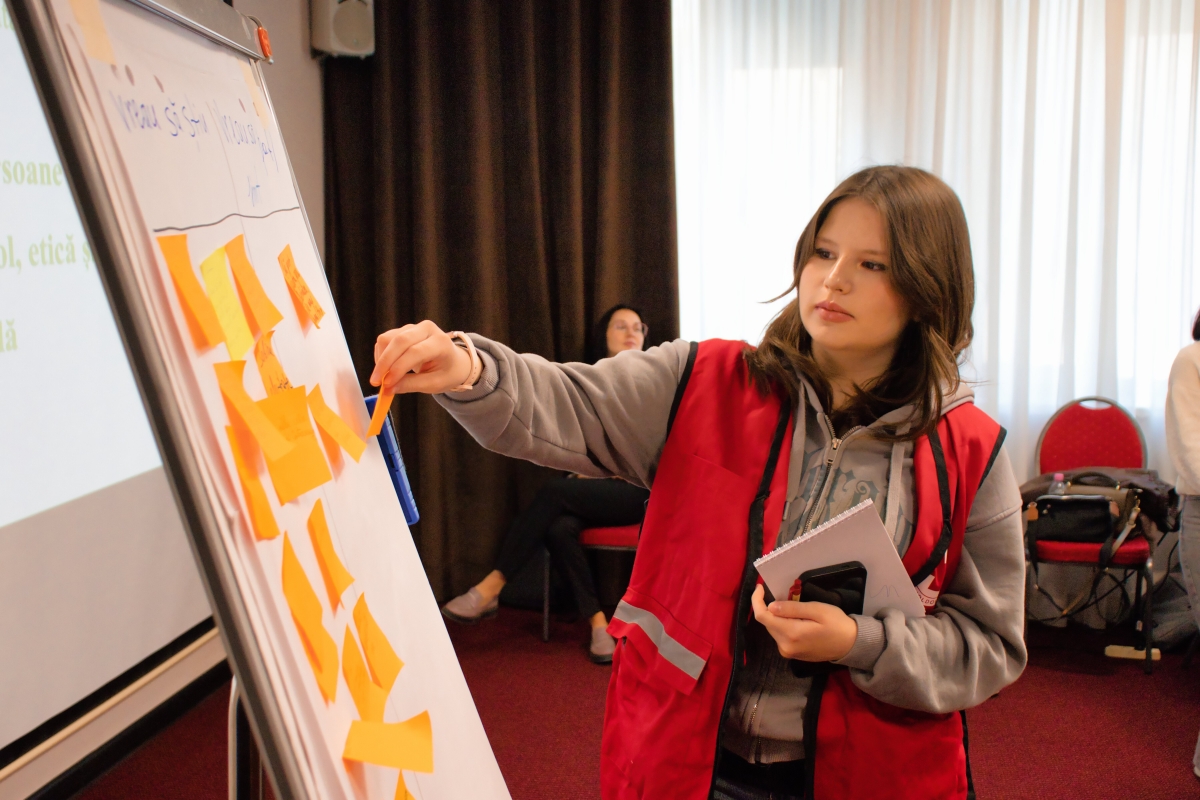
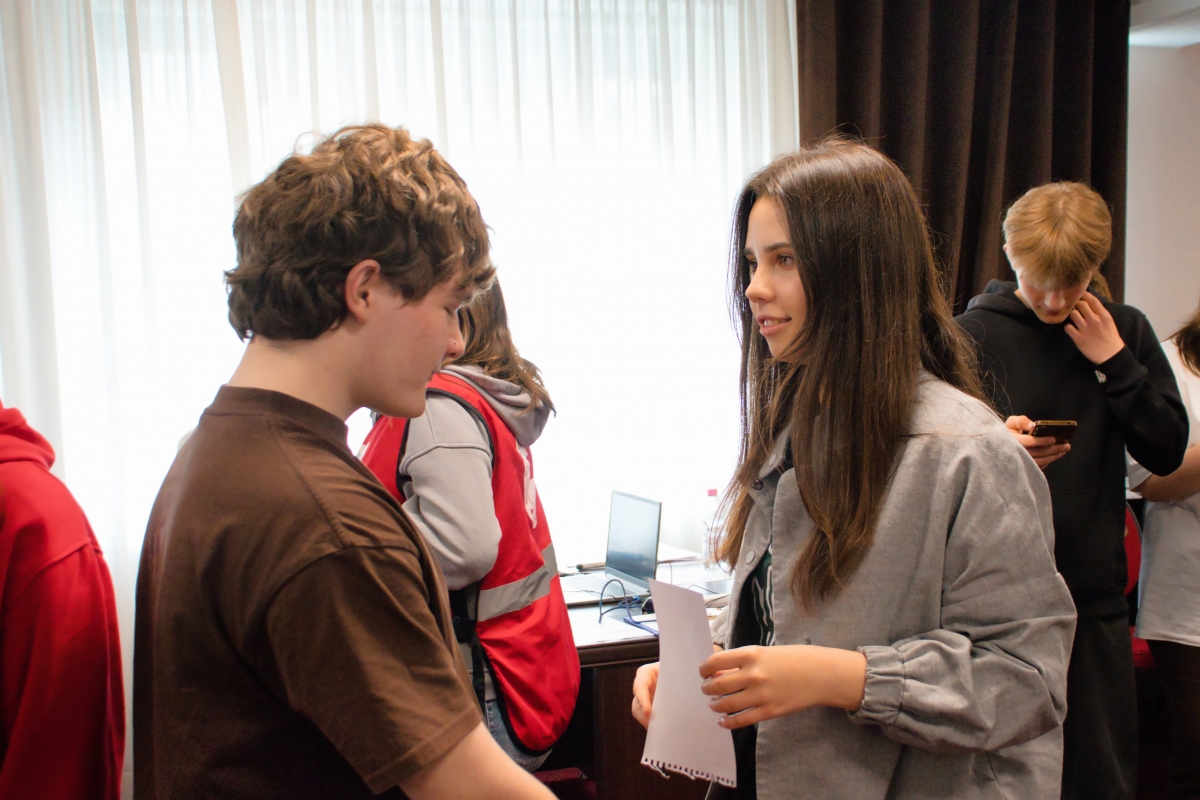
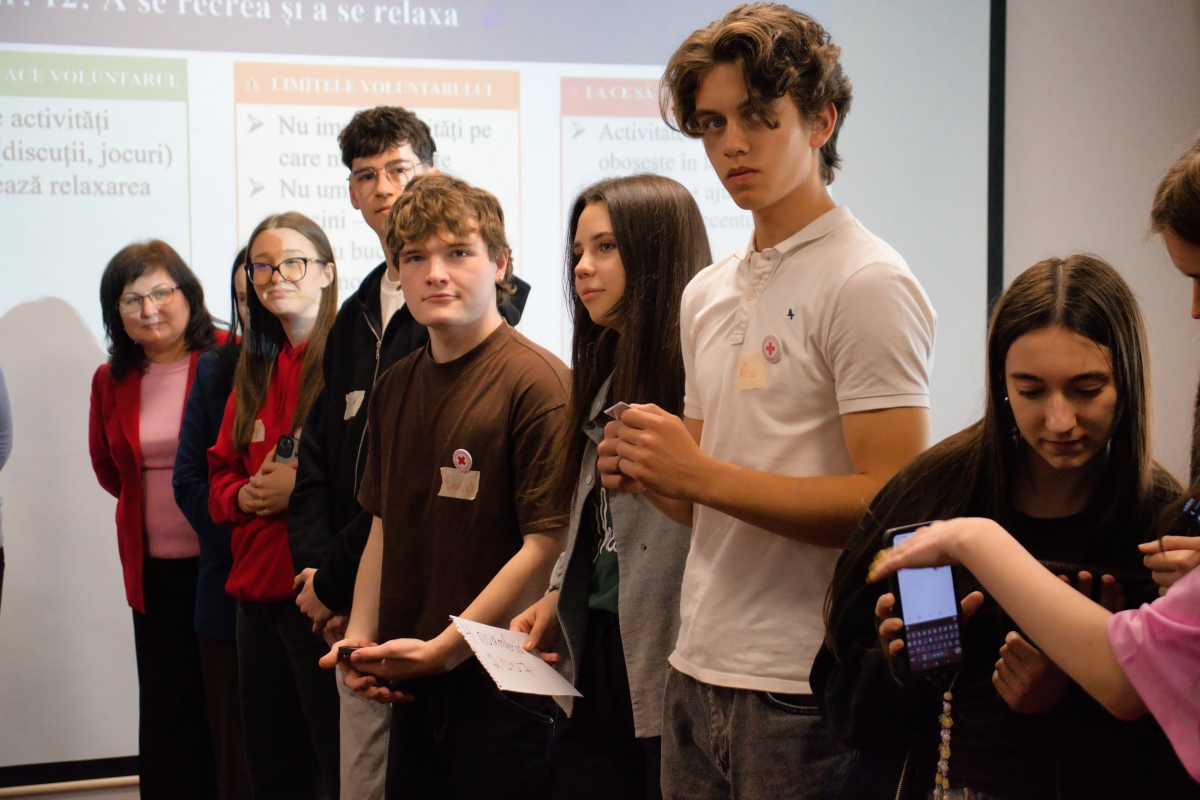
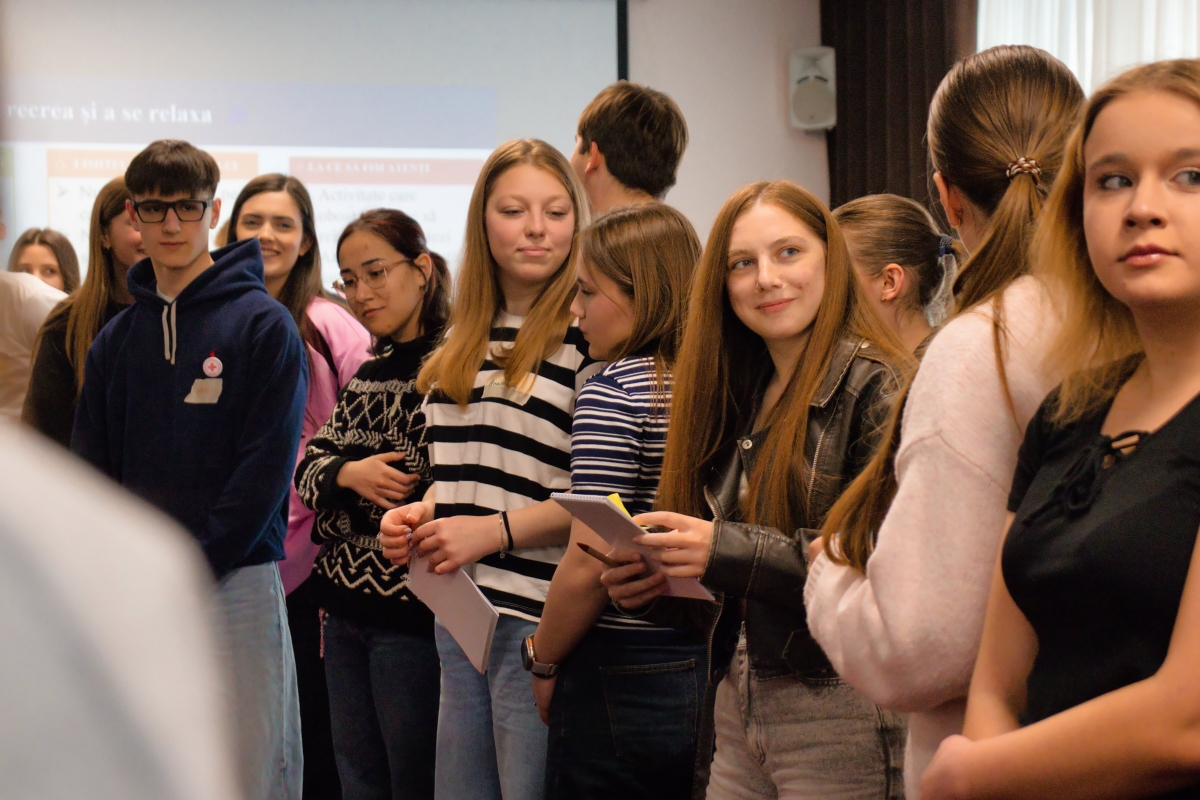
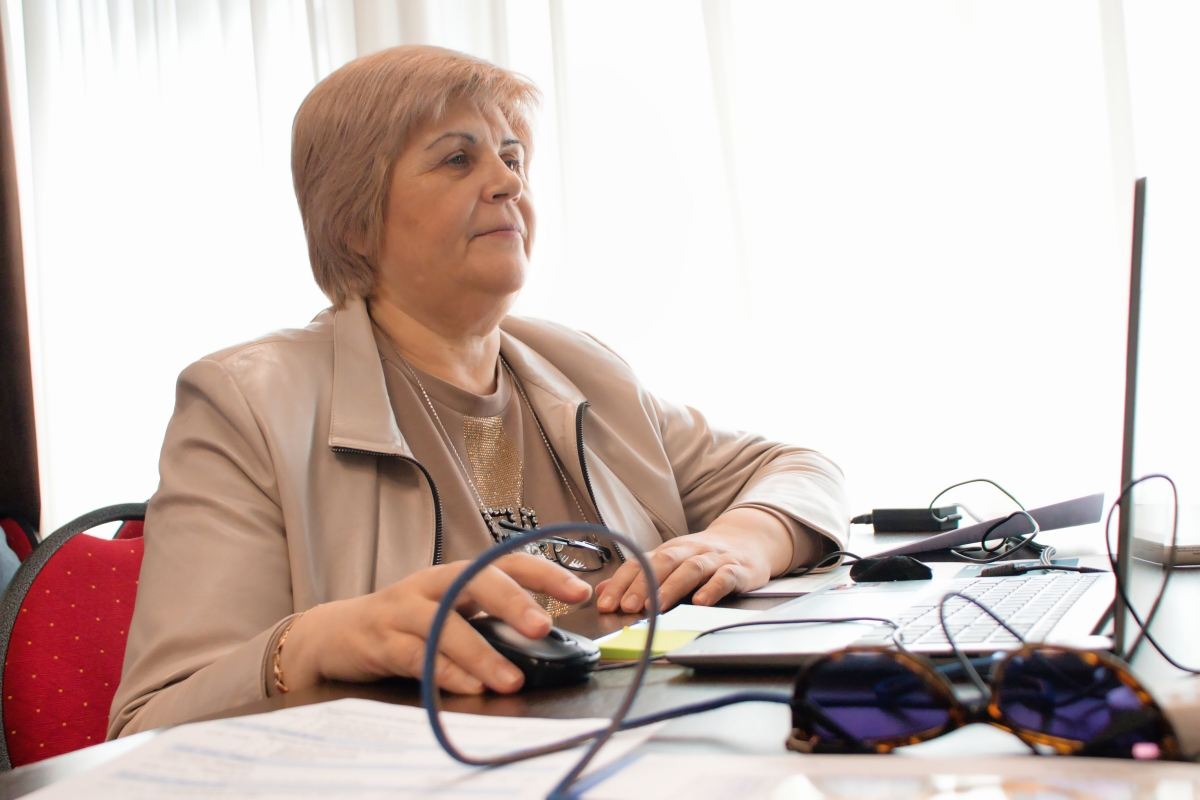
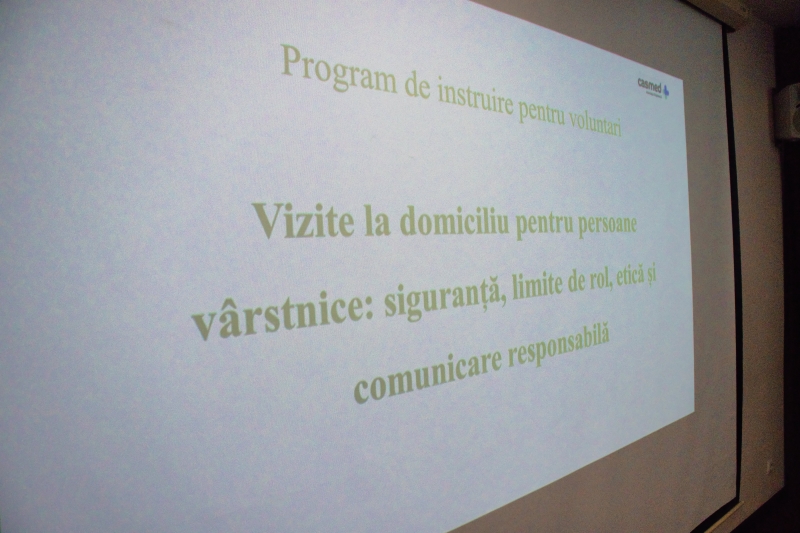
Chișinău, 03 May 2026. On 23–24 April and 2–3 May 2026, the Red Cross Society of the Republic of Moldova (RCSM) organised a training programme for branch directors and volunteers at the FIDES Educational Centre in Chișinău. Held under the theme “Home visits for elderly persons,” the sessions were facilitated by trainers from the CASMED Public Association.
The aim of the training was to develop the knowledge and skills volunteers need in order to provide qualified support to elderly people at home. The programme focused on respecting the dignity of beneficiaries, ensuring confidentiality, and observing the clear limits of the volunteer’s role.
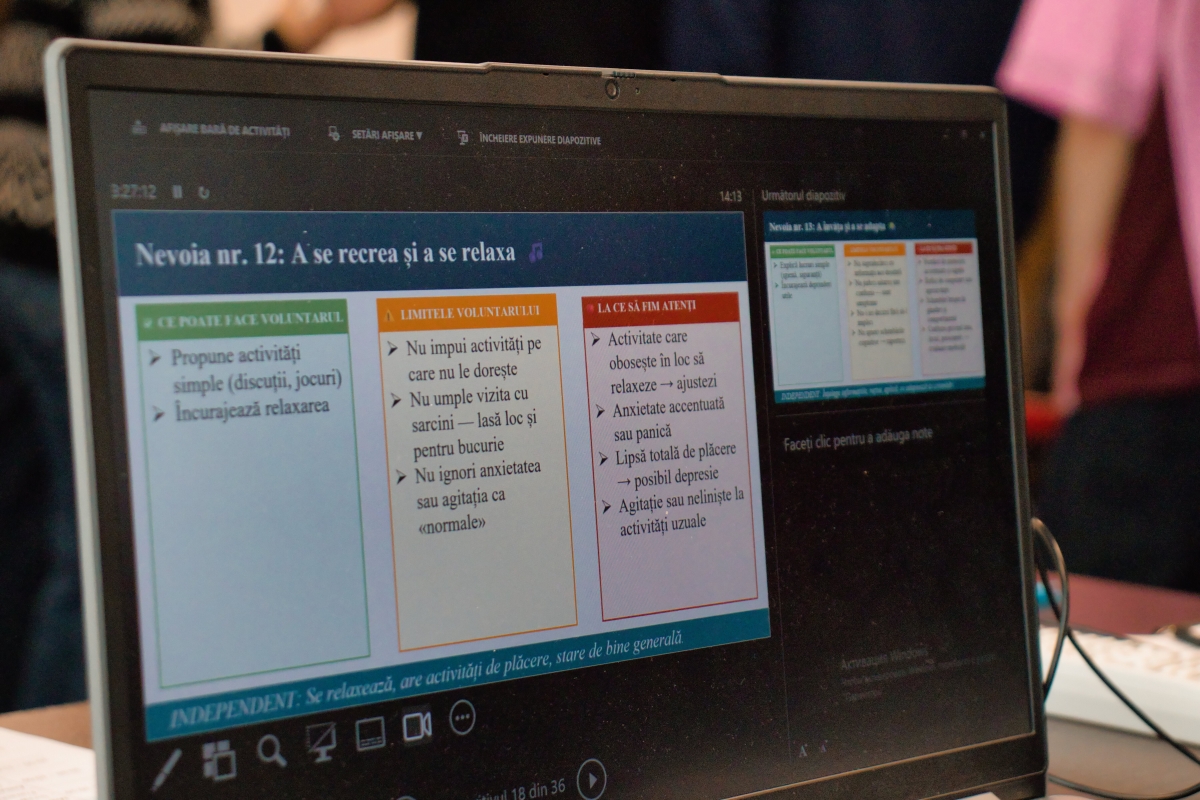
The programme covered two main thematic blocks. The first, dedicated to safety and practical care, addressed the responsibilities and limits of the volunteer in relation to beneficiaries, risk prevention in the home, hygiene and disinfection techniques, safe mobilisation and positioning of immobile persons, and recognition of signs indicating the need for medical intervention.
The second block focused on communication, professional ethics, and emotional support. In this context, participants discussed empathetic communication and active listening, the particularities of working with persons living with dementia, depression, or anxiety, and the management of difficult situations. The topics of ethics, confidentiality in the relationship with beneficiaries, and volunteer self-protection and burnout prevention were also addressed.
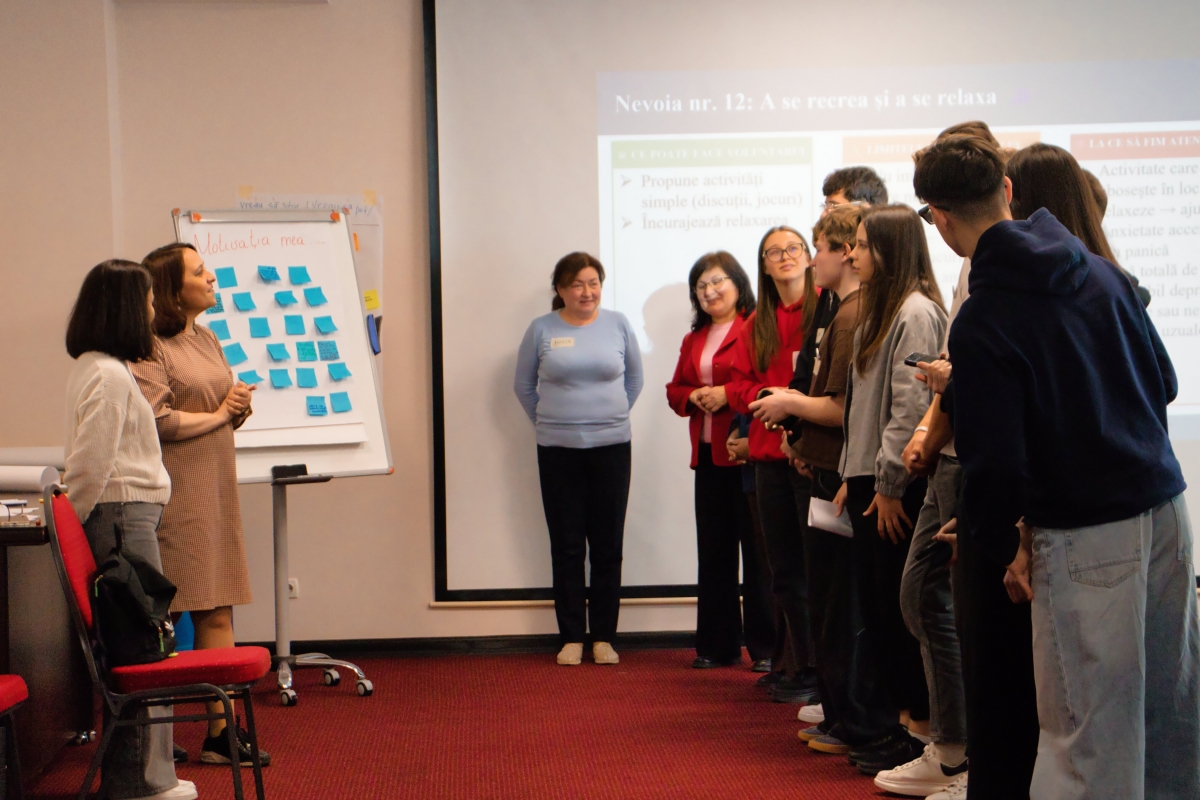
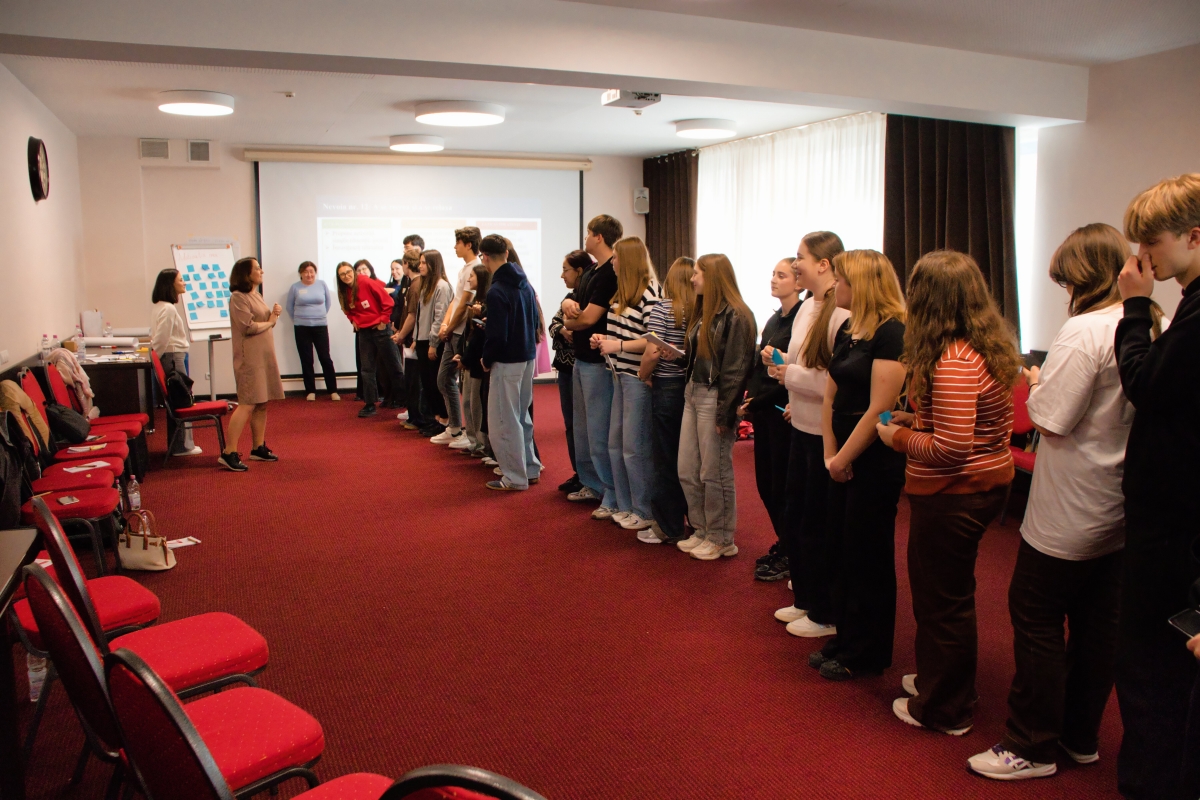
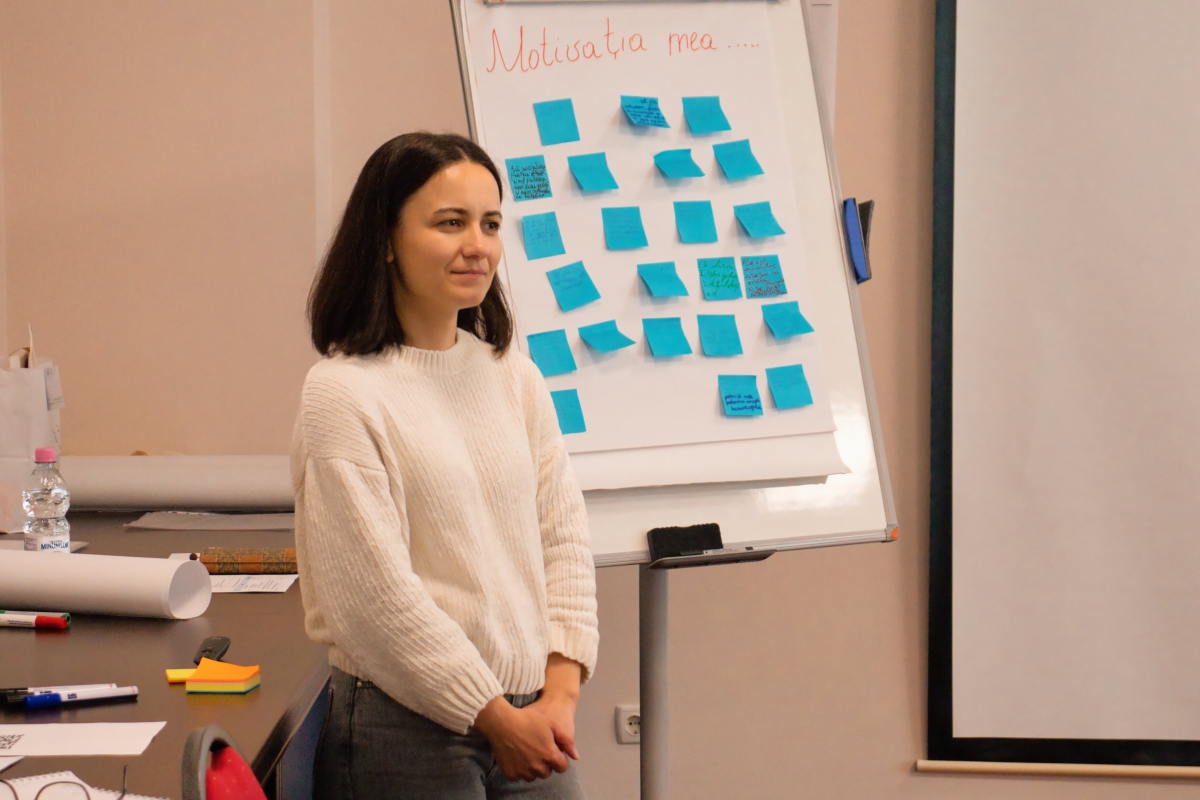
Both days combined thematic presentations with case study analysis, practical exercises, and group workshops. Reflection sessions at the end of each day gave participants the opportunity to consolidate their learning and connect it to their day-to-day work.
This programme is part of RCSM’s ongoing efforts to strengthen the capacity of its volunteer network and ensure quality support for vulnerable people in communities across the country.
“With every home visit, Red Cross volunteers bring not only practical help, but also a human presence — an essential form of support for those living in isolation or fragility.”

